
10 Warning Signs You Need Roof Repair Before Winter
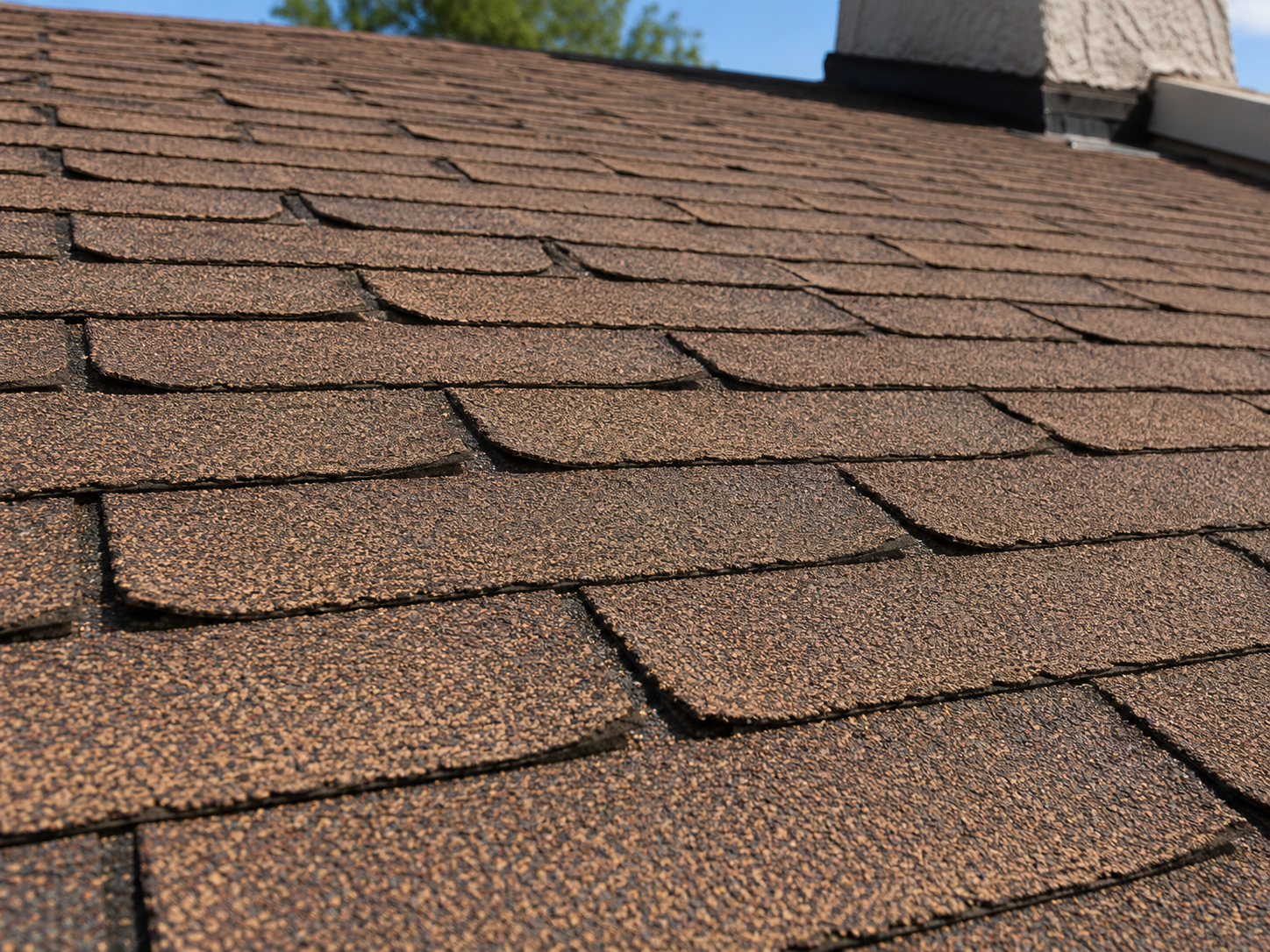
As winter approaches, your roof becomes your home’s most important protective barrier against snow, ice, and freezing temperatures. Even small roofing issues can quickly turn into serious structural damage once harsh winter conditions set in. At PrairieSky Roofing, we help homeowners identify early warning signs so they can avoid costly repairs and protect their homes before winter arrives.
Roof damage often develops gradually and remains unnoticed until it becomes a major problem. Knowing what to look for can save you from emergency repairs, interior leaks, and expensive replacements during the coldest months of the year.
Why Roof Repairs Before Winter Are So Important
Before winter arrives, it is critical to address roofing issues because freezing temperatures can worsen existing damage. Snow, ice, and moisture can quickly turn minor issues into major structural concerns.
Taking action early helps prevent:
Water leaks caused by melting snow entering damaged roof sections
Ice dams forming due to uneven roof heat distribution
Structural stress from heavy snow accumulation
Interior ceiling and wall damage from hidden leaks
Emergency winter repairs that are significantly more expensive
Early preparation ensures your home remains safe, warm, and protected throughout winter.
1. Missing or Damaged Shingles
Missing or damaged shingles are one of the clearest indicators that your roof needs immediate attention. Shingles protect your home from water intrusion and harsh weather exposure.
Watch for:
Shingles completely missing from roof sections
Cracked, curled, or broken shingles
Loose shingles lifting during strong winds
Bald patches where protective granules have worn away
Uneven roof appearance from the ground
Visible aging or weathered shingle surfaces
If you notice these signs, it may be time to consider professional roof repair Winnipeg services before winter conditions worsen the damage.
2. Water Stains on Ceilings or Walls
Water stains inside your home usually indicate that moisture has already entered your roofing system. These stains should never be ignored.
Key signs include:
Yellow, brown, or dark ceiling stains
Expanding stain patches after rain or snow
Bubbling or peeling paint on walls or ceilings
Damp drywall near roof edges
Musty odors inside upper rooms
Visible dripping during heavy rainfall
These are strong indicators of roof leaks that require immediate repair.
3. Sagging Roof Areas
A sagging roof is a serious structural warning sign that requires urgent attention. It often indicates long term moisture damage or excessive weight stress.
Look for:
Visible dips or uneven roof surfaces
Curved rooflines instead of straight edges
Interior ceiling sagging or bending
Signs of prolonged water retention in attic areas
Weak or deteriorating roof decking
Increased risk during heavy snowfall
This condition should be inspected immediately to prevent potential structural failure.
4. Granules in Gutters
Granule loss is a common sign of aging asphalt shingles. These granules protect your roof from UV rays and weather damage.
Watch for:
Black, sand like granules collecting in gutters and downspouts
Bare spots appearing on shingles
Faded or uneven roof color
Reduced water resistance on roof surface
Faster deterioration after storms
Weakening of shingle protective coating
This is a key indicator that your roof may need roof repair Winnipeg before winter damage accelerates.
5. Damaged or Rusted Flashing
Flashing protects vulnerable roof areas such as chimneys, skylights, and vents. When damaged, it allows water to enter easily.
Look for:
Rusted or corroded metal flashing
Gaps between flashing and roof surface
Loose or lifted flashing edges
Water stains near roof joints
Cracked or missing sealant
Visible daylight around roof penetrations
Flashing issues can quickly lead to serious leaks if not repaired.
6. Moss, Mold, or Algae Growth
Biological growth on a roof indicates trapped moisture and poor drainage conditions.
Warning signs include:
Green moss spreading across shingles
Black algae streaks on roof surface
White mold patches in shaded areas
Damp or soft shingle texture
Moisture retention after rainfall
Reduced roof durability over time
This growth can weaken roofing materials and shorten lifespan.
7. Rising Energy Bills
A sudden increase in energy costs may indicate heat loss through a damaged roof.
Watch for:
Unexpected spikes in heating bills
Cold drafts in upper rooms
Uneven indoor temperatures
Poor attic insulation performance
Heat escaping through roof gaps
Increased furnace usage during winter
Roof issues often directly impact home energy efficiency.
8. Poor Attic Ventilation
Proper ventilation is essential for preventing moisture buildup and ice dams in winter.
Key signs include:
Excess humidity in attic space
Frost buildup during cold months
Musty smells in attic areas
Ice dam formation along roof edges
Damp wooden beams or insulation
Restricted airflow through vents
Proper roof soffit installation helps improve ventilation and prevents moisture related damage.
9. Cracked or Damaged Roof Valleys
Roof valleys handle high water flow and are vulnerable to damage over time.
Look for:
Cracks or splits in valley shingles
Water pooling in roof valley areas
Missing or loose flashing
Interior ceiling stains along valley lines
Accelerated wear compared to other roof areas
Ice buildup during winter seasons
Valley damage should always be repaired promptly.
10. Roof Age
Even without visible damage, roof age plays a major role in performance and safety.
Signs include:
Asphalt shingles older than 15–25 years
Frequent minor repairs over time
Brittle or faded shingles
Reduced weather resistance
Repeated leaks during storms
Overall roof wear across large areas
Older roofs are more vulnerable to winter damage and should be inspected regularly.
Why Early Roof Repairs Save Money
Fixing roof issues before winter helps avoid expensive emergency repairs and structural damage.
Benefits include:
Lower repair costs compared to winter emergencies
Prevention of interior water damage
Improved insulation performance
Longer roof lifespan
Reduced risk of major structural issues
Better protection during storms
When to Call a Roofing Professional
If you notice any warning signs, it is important to schedule a professional inspection immediately.
You should contact a roofing expert if:
Multiple warning signs are visible
Your roof is older than 15 years
You suspect hidden leaks
Storm damage has occurred
Energy efficiency has dropped
Conclusion
Recognizing the 10 warning signs you need roof repair before winter can help you avoid costly damage and protect your home during harsh weather conditions. Early repairs ensure your roof remains strong, efficient, and ready for winter challenges. At PrairieSky Roofing, we are committed to helping homeowners secure their properties with reliable roofing solutions built for long term protection.
If you notice any of these warning signs, don’t wait for the problem to worsen contact us today to book your roof inspection and keep your home safe this winter.
FAQs
-
Missing shingles and small leaks are the most common issues that appear before winter.
-
Delaying repairs can lead to worse damage during winter due to snow, ice, and freezing temperatures.
-
If you see interior stains, dripping water, or spreading moisture, the leak is likely serious.
-
Yes, poor ventilation can cause ice dams and moisture buildup that damage the roof.
-
It is recommended to inspect your roof at least once a year, preferably before winter starts.