
How Long Does a Roof Last in Winnipeg?”
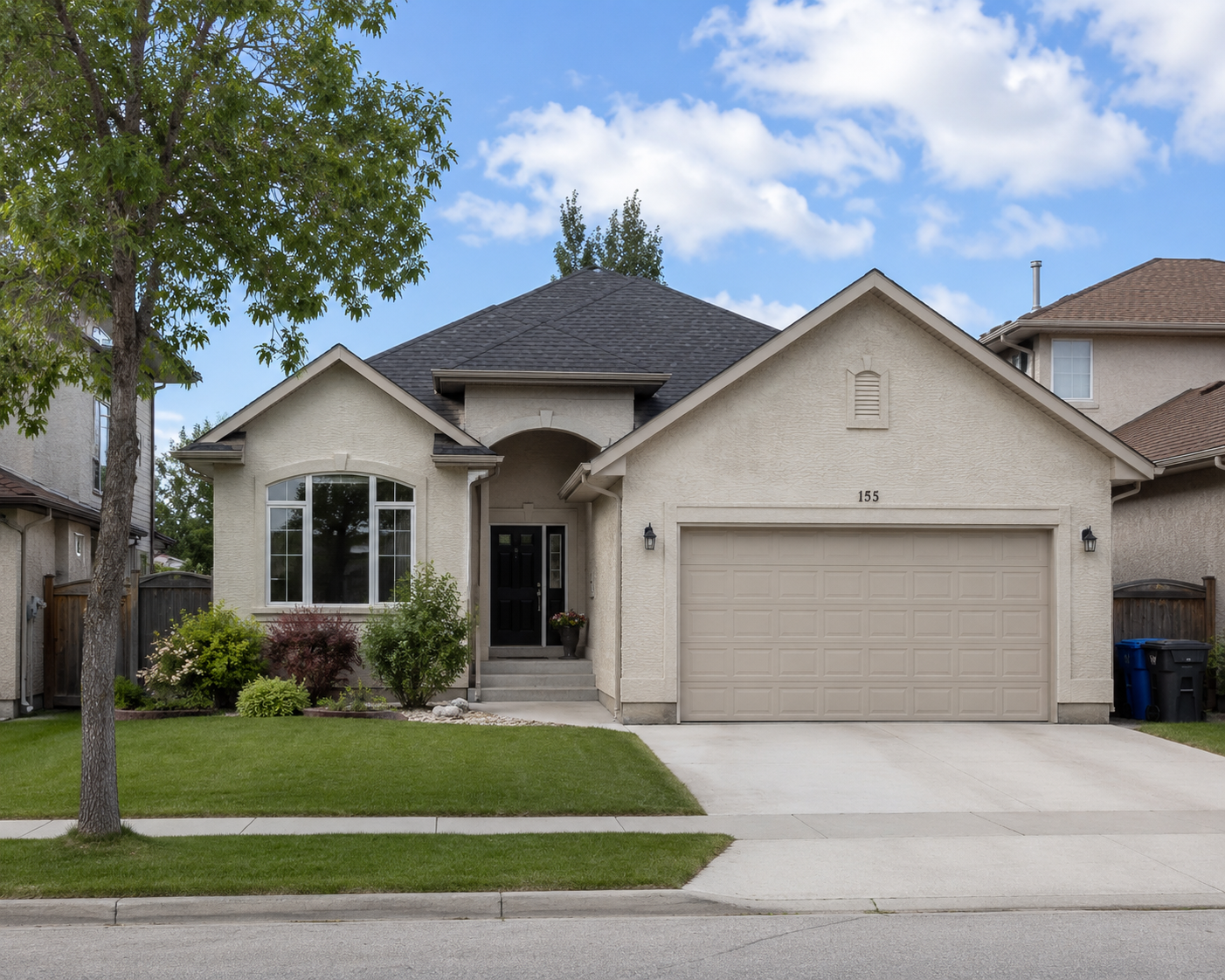
Winnipeg’s extreme weather conditions put constant pressure on residential and commercial roofing systems. From heavy snowfall and freezing winters to intense summer heat and high winds, roofs in this region face accelerated wear and tear compared to milder climates. At PrairieSky Roofing, we help homeowners understand how climate impacts roof performance and what steps can be taken to extend roof lifespan effectively.
A roof is not just a structural component it is the first line of defense against moisture, temperature changes, and environmental damage. Understanding how long a roof lasts in Winnipeg depends on multiple factors including material type, installation quality, ventilation, and maintenance habits.
Why Winnipeg’s Climate Is Tough on Roofs
Winnipeg’s weather conditions are highly unpredictable, creating continuous stress on roofing materials throughout the year. These environmental factors gradually weaken roofs and increase the likelihood of repairs or early replacement.
Some of the biggest climate related challenges include:
Heavy snowfall accumulation that increases structural load and can cause roof sagging over time
Ice dam formation along roof edges, leading to water backup and hidden leaks inside the home
Freeze thaw cycles that cause roofing materials to expand and contract, leading to cracks and loosening shingles
Strong prairie winds that can lift shingles, damage flashing, and expose underlayment layers
Intense UV exposure during summer months that dries out shingles and reduces flexibility
Rain and moisture exposure that can lead to mold growth and rot in roof decking
Hailstorms that cause surface bruising, cracks, and granule loss on asphalt shingles
Rapid temperature swings that accelerate overall aging of roofing materials compared to stable climates
Average Lifespan of Different Roofing Materials
The lifespan of a roof in Winnipeg varies significantly depending on the material used, installation quality, and maintenance frequency. Each roofing system reacts differently to harsh weather conditions.
Asphalt Shingles
Asphalt shingles are the most commonly used roofing material due to affordability and easy installation. However, they are more vulnerable to Winnipeg’s extreme climate.
Standard 3 tab shingles last around 15–20 years under normal conditions
Architectural shingles last approximately 25–30 years with proper maintenance
High wind resistant shingles perform better during prairie storms and reduce uplift damage
Regular maintenance is required to prevent curling, cracking, and granule loss
Poor attic ventilation can significantly shorten asphalt shingle lifespan
UV exposure in summer can dry out shingles, making them brittle over time
Metal Roofing
Metal roofing is one of the most durable options for Winnipeg homes and commercial buildings. It performs exceptionally well in snow heavy regions.
Lifespan ranges between 40–70 years depending on metal type and coating quality
Highly resistant to wind uplift and storm related damage
Snow slides off easily, reducing risk of heavy load accumulation
Reflects sunlight, improving energy efficiency during hot summer months
Resistant to cracking, shrinking, and warping under temperature fluctuations
Requires minimal maintenance compared to other roofing systems
Cedar Shakes
Cedar roofs offer natural beauty and insulation benefits but require consistent maintenance in Winnipeg’s moisture heavy climate.
Average lifespan ranges from 20–35 years depending on treatment and upkeep
Natural wood is susceptible to moisture absorption and rot if untreated
Requires regular cleaning to prevent moss, algae, and fungal growth
Performs better when properly ventilated and sealed
Can crack or split during repeated freeze thaw cycles
Needs periodic sealing to maintain weather resistance
Flat Roofing Systems
Flat roofs are commonly used in commercial buildings and modern residential designs. Their lifespan depends heavily on drainage and membrane quality.
EPDM rubber roofing lasts 20–30 years with proper maintenance
TPO roofing typically lasts 20–25 years under normal conditions
Modified bitumen systems last around 15–25 years depending on installation quality
Standing water is a major concern if drainage is not properly designed
Regular inspections are critical to prevent membrane punctures and leaks
Snow accumulation must be managed carefully to avoid structural stress
Factors That Affect Roof Longevity
Several internal and external factors influence how long a roof lasts in Winnipeg. Even high quality roofing systems can fail prematurely if these conditions are not properly managed.
Proper installation is the foundation of roof durability. Incorrect installation can lead to leaks, poor drainage, and premature structural damage. Choosing experienced contractors who provide professional roofing services ensures your roof is built to withstand Winnipeg’s extreme weather conditions.
Other important factors include:
Quality of roofing materials used and their resistance to UV, moisture, and wind exposure
Attic ventilation efficiency, which controls heat buildup and prevents ice dam formation
Insulation quality that affects temperature balance and moisture control inside the attic
Frequency of maintenance and how quickly small issues are repaired before spreading
Exposure to surrounding trees, branches, and debris that can damage shingles
Roof slope design which impacts water drainage and snow shedding efficiency
Installation of proper flashing around chimneys, vents, and roof edges
Seasonal weather exposure including storms, hail, and prolonged snow cover
Signs Your Roof May Need Replacement
Roof damage is not always immediately visible, which is why homeowners should regularly inspect for early warning signs of deterioration.
Curling, Cracked, or Missing Shingles
Shingles that curl, crack, or fall off indicate advanced aging or storm damage. These issues often expose the roof deck to moisture infiltration.
Persistent Water Leaks
Leaks inside ceilings or attic spaces usually indicate damaged underlayment, flashing failure, or compromised shingles.
Sagging Roof Structure
A sagging roof may indicate long term moisture damage, weakened support beams, or structural stress from heavy snow loads.
Excessive Granule Loss
If gutters contain large amounts of asphalt granules, it indicates that shingles are breaking down and losing UV protection.
Rising Energy Costs
Poor roof performance can affect insulation efficiency, leading to higher heating and cooling expenses throughout the year.
Moss, Mold, or Algae Growth
Moist environments encourage biological growth that can weaken shingles and trap additional moisture against the roof surface.
The Impact of Snow and Ice on Roof Lifespan
Winter conditions in Winnipeg are one of the leading causes of roofing damage. Heavy snow loads and ice buildup can significantly reduce roof lifespan if not managed properly.
Common winter related roofing issues include:
Ice dams forming along roof edges that trap melting snow and force water under shingles
Excessive snow weight placing structural stress on rafters and decking systems
Frozen gutters that prevent proper drainage and increase overflow risk
Repeated freeze thaw cycles that weaken shingle adhesion and cause cracking
Hidden leaks forming beneath snow layers that go unnoticed until major damage occurs
Roof edge deterioration caused by long term ice buildup and refreezing cycles
How Proper Ventilation Extends Roof Life
Proper ventilation plays a critical role in maintaining roof health, especially in climates with extreme seasonal temperature variations.
Good ventilation systems help:
Maintain balanced attic temperature throughout summer and winter seasons
Reduce condensation buildup that can lead to mold and wood rot
Prevent ice dam formation by regulating roof surface temperature
Extend shingle lifespan by reducing heat stress and material drying
Improve indoor energy efficiency by stabilizing overall building temperature
Protect insulation from moisture damage and performance loss
Importance of Regular Roof Maintenance
Routine maintenance is essential to maximize roof lifespan and prevent small issues from turning into costly repairs.
Regular maintenance activities include:
Clearing gutters and downspouts to ensure proper water drainage
Inspecting shingles for cracks, lifting, or missing sections after storms
Checking flashing around chimneys, skylights, and vents for seal integrity
Removing debris such as leaves, branches, and ice buildup from roof surfaces
Assessing attic insulation and ventilation performance to avoid moisture issues
Scheduling professional roof inspections at least once or twice annually
Proper exterior protection systems like fascia and soffits also play a major role in roof durability. Installing or maintaining roof soffit installation helps improve airflow and reduces moisture buildup in attic spaces.
How Storm Damage Can Shorten Roof Lifespan
Severe storms in Winnipeg can cause immediate and long term damage to roofing systems. Even minor storm impacts can reduce overall roof lifespan if ignored.
Storm damage effects include:
Wind uplift that loosens or removes shingles entirely
Hail impact causing dents, cracks, and weakened shingle surfaces
Water infiltration through damaged flashing or exposed roof layers
Gutter displacement or clogging that affects drainage performance
Tree branch impact causing punctures or structural damage
Hidden underlayment damage that worsens over time if not repaired
Can Roof Lifespan Be Extended?
Yes, with proper care and proactive maintenance, homeowners can significantly extend roof lifespan even in harsh climates like Winnipeg.
Effective extension strategies include:
Scheduling regular professional roof inspections before and after winter seasons
Fixing small repairs immediately to prevent further structural damage
Improving attic insulation and airflow balance
Ensuring proper drainage through clean gutters and downspouts
Removing snow buildup safely to reduce structural load
Trimming nearby trees to reduce debris and impact risk
Investing in high quality roofing materials designed for cold climates
When Should You Replace Your Roof?
Knowing the right time to replace your roof helps avoid unexpected damage and costly repairs.
Consider replacement when:
Roof age has reached or exceeded expected material lifespan
Repairs are becoming frequent and increasingly expensive
Persistent leaks continue despite repair attempts
Shingles show widespread deterioration or loss of protective granules
Structural sagging or moisture damage is visible
Energy efficiency has noticeably declined
Choosing the Right Roofing Contractor in Winnipeg
Choosing an experienced roofing contractor is essential for long term roof durability and performance in Winnipeg’s climate.
Key factors to look for include:
Proven experience working in cold and storm prone climates
Proper licensing, insurance, and safety compliance
Strong local reputation with verified customer feedback
Transparent estimates and clear project scope explanations
Warranty coverage for both materials and workmanship
Detailed inspections before recommending repairs or replacement
Conclusion
Understanding how long a roof lasts in Winnipeg’s harsh climate is essential for protecting your property and planning future maintenance or replacement. Extreme weather conditions significantly affect roofing performance, but proper installation, regular maintenance, and timely repairs can greatly extend roof lifespan.
At PrairieSky Roofing, we specialize in building and maintaining roofing systems designed specifically for Winnipeg’s demanding climate conditions. Whether you need inspection, repair, or replacement services, our team is ready to help you protect your home year round. Don’t wait for small issues to become major problems contact us today to schedule your roofing consultation.
FAQs
-
Asphalt shingle roofs typically last between 15–30 years depending on quality, installation, and maintenance levels.
-
Metal roofing performs best in harsh winter climates due to its durability, snow shedding ability, and resistance to temperature changes.
-
Yes, poor ventilation traps heat and moisture, leading to mold growth, ice dams, and faster roof deterioration.
-
Most roofs require replacement every 15–30 years depending on material type and exposure to weather conditions.
-
Yes, routine inspections, timely repairs, and proper drainage maintenance can significantly extend roof lifespan and prevent costly damage.