
Top Roof Repair Checklist Tips Every Homeowner Should Know
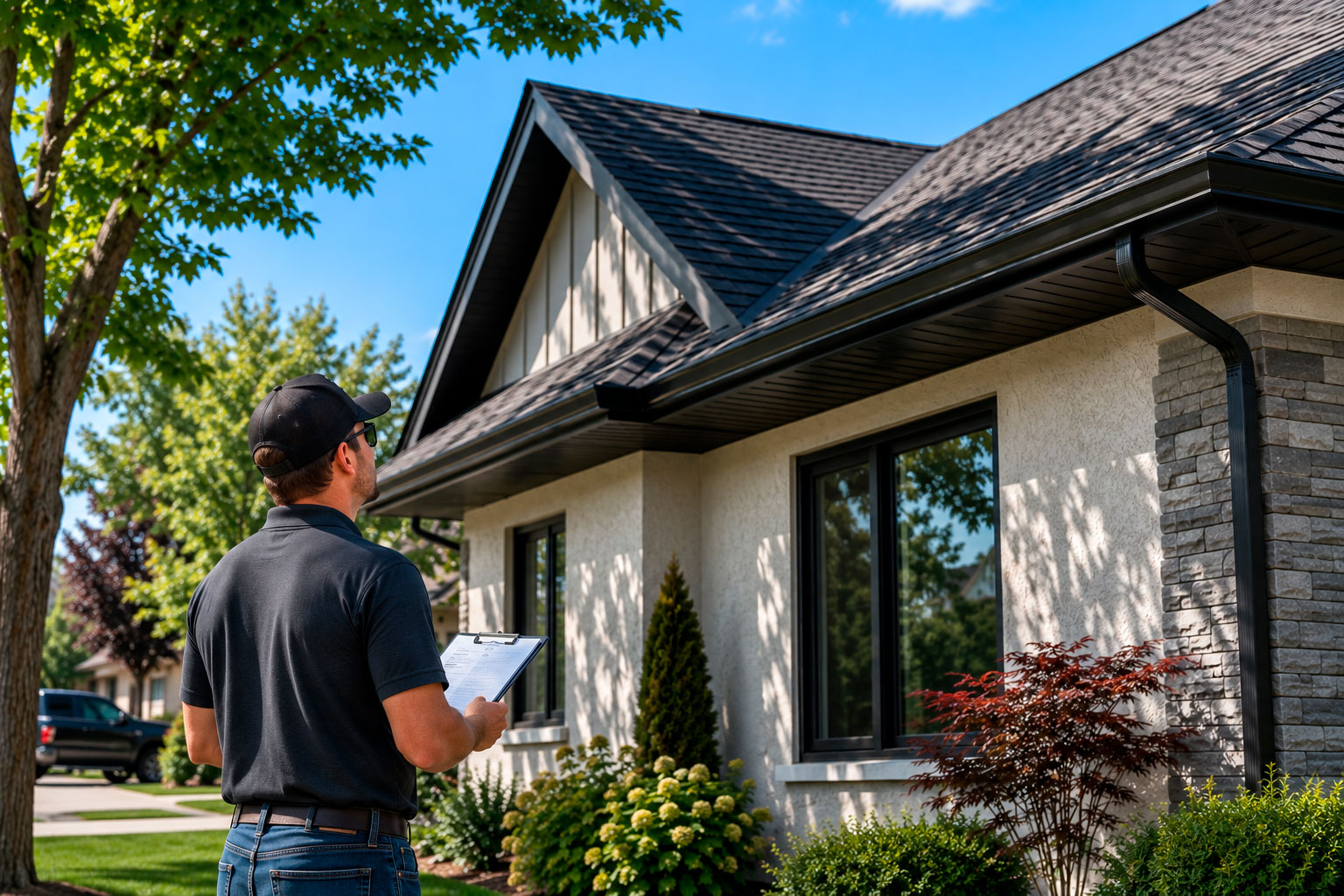
Regular inspections and timely repairs can prevent small issues from becoming expensive problems. PrairieSky Roofing believes that every homeowner should understand the basics of roof maintenance so they can recognize warning signs early and make informed decisions when repairs are needed.
Why a Roof Repair Checklist Is Important
In most cases, damage develops gradually due to weather exposure, aging materials, poor ventilation, or lack of maintenance. Having a roof repair checklist allows homeowners to identify potential concerns before they require major repairs or complete replacement.
A proactive checklist helps you:
Detect damage early.
Prevent costly structural repairs.
Extend the lifespan of your roof.
Improve home safety.
Protect your property's value.
Reduce long-term maintenance expenses.
Inspect Your Roof After Severe Weather
Storms are one of the leading causes of roof damage. High winds, hail, heavy rain, and snow can loosen shingles, damage flashing, or create hidden leaks that worsen over time. Performing a visual inspection after major weather events helps identify problems before they become serious.
During your inspection, look for:
Missing or lifted shingles.
Fallen tree branches.
Damaged flashing.
Loose roofing materials.
Standing water on flat roofs.
Visible dents from hail.
Check for Water Leaks Inside Your Home
Roof damage often becomes noticeable inside the house before it is visible from the outside. Water stains, mold growth, peeling paint, and damp insulation may all indicate hidden roofing issues. Addressing these warning signs quickly can help minimize interior damage and reduce future repair costs. Scheduling professional roof repair services as soon as leaks appear ensures the problem is diagnosed correctly before moisture spreads throughout the structure.
Examine Roof Shingles Carefully
Shingles serve as your roof's first line of defense against the elements. Over time, they naturally deteriorate due to sunlight, wind, and changing temperatures. Replacing damaged shingles promptly helps prevent water infiltration and protects the underlying roof structure.
Watch for signs such as:
Curling edges.
Cracked shingles.
Missing shingles.
Granule loss.
Blistering.
Uneven roof surfaces.
Inspect Flashing Around Roof Openings
Flashing seals vulnerable areas where water is most likely to enter, including chimneys, skylights, vents, and roof valleys. Damaged flashing is a common cause of roof leaks. Repairing flashing early can prevent significant water damage to your home's interior.
During inspections, check for:
Rust or corrosion.
Cracked sealant.
Loose flashing pieces.
Bent metal sections.
Missing fasteners.
Water stains nearby.
Keep Gutters and Downspouts Clean
Clogged gutters can force water underneath roofing materials, causing leaks and wood rot.
Maintain your gutters by:
Removing leaves and debris.
Checking for sagging sections.
Ensuring proper drainage.
Tightening loose fasteners.
Inspecting downspout connections.
Cleaning gutters at least twice annually.
Inspect Soffits and Fascia for Damage
The soffits and fascia support proper roof ventilation while protecting the roof edges from moisture and pests. Damaged components may lead to ventilation problems, mold growth, and structural deterioration over time. Many homeowners also invest in professional soffit installation services when aging soffits begin showing signs of rot, cracking, or water damage, helping improve both the appearance and functionality of their roofing system.
Check Your Attic for Hidden Problems
The attic often provides valuable clues about the condition of your roof. Poor ventilation or unnoticed leaks may cause insulation damage and increased energy costs.
Inspect your attic for:
Water stains.
Mold or mildew.
Sunlight entering through roof boards.
Wet insulation.
Excessive humidity.
Signs of pests.
Trim Nearby Trees Regularly
Trees can create roofing hazards if branches hang too close to your home. Strong winds may cause branches to scrape shingles or fall onto the roof.
Tree maintenance should include:
Removing dead branches.
Trimming overhanging limbs.
Clearing leaves from the roof.
Monitoring tree health.
Keeping branches several feet away from roofing materials.
Schedule Professional Roof Inspections
Even if your roof appears to be in good condition, professional inspections remain one of the best preventative measures available. Experienced roofing contractors can identify hidden damage that homeowners often overlook.
Professional inspections typically evaluate:
Roofing materials.
Flashing condition.
Roof ventilation.
Structural integrity.
Moisture intrusion.
Overall roof lifespan.
Know When Roof Repairs Are No Longer Enough
While many roofing problems can be repaired, every roof eventually reaches the end of its useful life. Knowing when replacement becomes the better investment helps homeowners avoid repeated repair expenses.
Signs replacement may be necessary include:
Extensive water damage.
Multiple recurring leaks.
Aging roofing materials.
Widespread shingle failure.
Structural roof sagging.
Frequent repair bills.
Create a Seasonal Roof Maintenance Routine
Consistent maintenance throughout the year is the best way to maximize your roof's lifespan. Seasonal inspections help homeowners stay ahead of weather-related damage.
A simple maintenance routine may include:
Spring roof inspection.
Summer gutter cleaning.
Fall debris removal.
Winter snow monitoring.
Annual professional inspection.
Immediate repairs when damage is found.
Protecting your roof starts with regular inspections, preventative maintenance, and timely repairs whenever problems arise. Following a comprehensive roof repair checklist allows homeowners to identify issues early, extend the lifespan of their roofing system, and avoid expensive structural damage. PrairieSky Roofing is committed to helping homeowners keep their roofs in excellent condition with professional expertise and dependable service. If you have questions about your roof or would like a professional inspection, contact us today and let our experienced team help protect your home with reliable roofing solutions.
Frequently Asked Questions (FAQs)
-
Homeowners should inspect their roof at least twice a year, typically during the spring and fall, as well as after severe storms.
-
Common signs include missing shingles, water stains on ceilings, roof leaks, sagging areas, cracked flashing, and granule loss from shingles.
-
Yes. Even minor leaks can lead to mold growth, insulation damage, wood rot, and costly structural repairs if left untreated.
-
Item A visual inspection from the ground is generally safe. However, climbing onto the roof should be left to trained professionals to avoid injury.
-
You should contact a roofing professional whenever you notice leaks, storm damage, missing shingles, sagging areas, or any signs of structural deterioration to ensure accurate diagnosis and proper repairs.